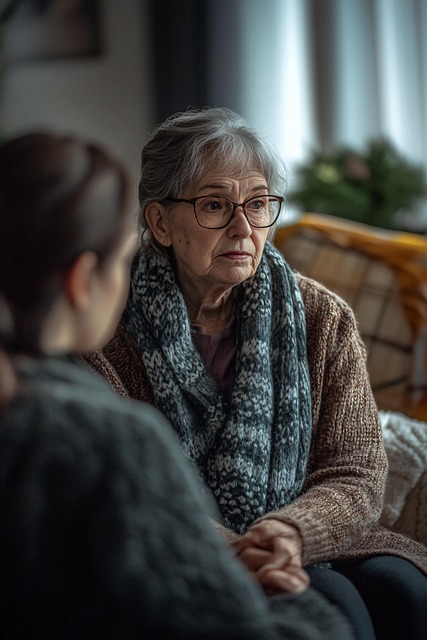
Protecting vulnerable seniors in care facilities from elderly sexual assault is vital. Key red flags include behavioral changes, injuries, and unusual aggression/passivity. Caregiver training by elderly sexual assault lawyers CT covers abuse prevalence, manipulation tactics, and boundary maintenance. Regular staff training, clear reporting protocols, and audits ensure safety. Proactive measures like background checks, employee screening, and mandatory training programs prevent incidents. Families should stay involved through regular visits and legal guidance from elderly sexual assault lawyers CT.
Protecting our elders from harm is a paramount concern for families across Stamford and beyond. Among the most vulnerable to exploitation are seniors in care facilities, where the risk of sexual assault, often underreported, remains a pressing issue. This comprehensive guide aims to equip Stamford families with knowledge and resources to safeguard their loved ones. We delve into the complexities of elderly sexual assault, highlighting the signs, causes, and available legal recourse, including the critical role of experienced elderly sexual assault lawyers CT in seeking justice and accountability. By understanding these dynamics, families can take proactive measures to protect seniors in their care.
Recognizing Red Flags: Educating Caregivers on Elderly Sexual Abuse

Recognizing potential red flags is a critical step in safeguarding seniors from sexual assault within care facilities. Elderly individuals, especially those with cognitive impairments or physical limitations, may be particularly vulnerable to abuse. Caregivers and staff must be vigilant and receive comprehensive training on identifying signs of elderly sexual assault. This includes recognizing subtle changes in behavior, such as increased anxiety, sudden withdrawal from social activities, or unusual aggression or passivity. Physical indicators like unexplained injuries, bruising, or signs of non-consensual intimate contact should also prompt immediate investigation.
Educational programs for caregivers can play a pivotal role in prevention. These initiatives should cover a range of topics, including the prevalence and impact of sexual abuse on the elderly, common manipulation tactics used by perpetrators, and the importance of maintaining personal boundaries. Caregivers should be equipped to conduct thorough assessments of residents’ well-being, encouraging open communication and addressing any discomfort or fears they may express. Regular staff training sessions facilitated by elder law experts or elderly sexual assault lawyers CT can ensure that all personnel are up-to-date on best practices and legal obligations regarding senior protection.
Furthermore, establishing a reporting culture within care facilities is essential. Clear protocols for documenting and reporting suspected abuse must be in place, ensuring confidentiality and prompt action. Encouraging staff to speak up without fear of retaliation fosters an environment where potential incidents are promptly addressed. Regular audits and quality assurance checks can identify gaps in safety measures and ensure that prevention strategies remain effective over time. By empowering caregivers with knowledge and fostering a culture of vigilance, families can actively protect their loved ones from the devastating effects of elderly sexual assault.
Legal Rights & Resources: The Role of Elderly Sexual Assault Lawyers CT

Protecting seniors from sexual assault in care facilities is a critical concern for families in Stamford and across Connecticut. Unfortunately, vulnerable elderly individuals may be at higher risk of abuse due to cognitive impairments or physical frailty. In such cases, legal intervention through specialized elderly sexual assault lawyers CT can play a vital role in ensuring justice and holding perpetrators accountable. These attorneys possess deep knowledge of state laws and regulations pertaining to elder care, enabling them to advocate for victims’ rights and secure appropriate compensation.
Elderly sexual assault lawyers CT often collaborate with families to conduct thorough investigations, gather evidence, and file legal claims against facilities or individuals responsible for the abuse. They can pursue civil litigation to seek damages for physical and emotional injuries, as well as punitive measures to deter future incidents. Moreover, these legal professionals can guide families through complex regulatory processes, ensuring compliance with reporting requirements and advocating for systemic changes within care facilities.
Recent studies highlight a growing need for such specialized legal services. According to the National Center on Elder Abuse, one in ten older adults experiences sexual abuse annually, yet underreporting remains prevalent due to stigma and fear. Engaging elderly sexual assault lawyers CT can empower families to break the silence, hold perpetrators liable, and create safer environments for vulnerable seniors within care facilities. By leveraging legal expertise, families can navigate complex systems and ensure their loved ones receive the justice and protection they deserve.
Prevention Strategies: Safeguarding Seniors in Care Facilities Today

Protecting seniors from sexual assault in care facilities is a paramount concern for families in Stamford and across Connecticut. With an aging population, the number of older adults receiving care has increased, making it crucial to implement robust prevention strategies. Elderly sexual assault lawyers CT emphasize that while these incidents are tragic, they are preventable through proactive measures.
One of the primary steps involves thorough background checks and employee screening. Care facilities should mandate rigorous vetting processes for all staff members, including checking criminal records, verifying credentials, and conducting behavioral assessments. For instance, a study by the National Center on Elder Abuse revealed that employees with a history of sexual offenses were more likely to target vulnerable residents in long-term care settings. By establishing comprehensive screening protocols, facilities can significantly reduce these risks.
Furthermore, educating both staff and residents is essential. Facilities should implement mandatory training programs that focus on recognizing and reporting suspicious behaviors. Encouraging open communication between staff and residents can foster an environment where seniors feel comfortable discussing personal boundaries and potential threats. In addition to internal measures, families can play a vital role by staying actively involved in their loved ones’ care, visiting regularly, and voicing concerns to facility administrators. Collaborating closely with elderly sexual assault lawyers CT can provide guidance on legal rights and best practices for safeguarding against such assaults.
Related Resources
Here are 5-7 authoritative resources for an article about “How Stamford Families Can Protect Seniors from Sexual Assault in Care Facilities”:
- National Center on Elder Abuse (Government Resource): [Offers comprehensive research and resources on elder abuse prevention.] – https://ncea.acl.gov/
- Centers for Disease Control and Prevention (CDC) (Government Portal): [Provides data, guidelines, and awareness campaigns related to sexual violence.] – https://www.cdc.gov/sexualviolence/
- American Geriatrics Society (Industry Leader): [Promotes quality of care and health among older adults; includes resources on elder safety.] – https://www.ags.org/
- Stamford Police Department (Local Resource): [Offers local information, tips, and reports on crime prevention, including sexual assault.] – https://www.stamfordct.gov/police/
- Yale University School of Medicine – Aging Center (Academic Study): [Conducts research on aging-related issues, including elder safety and sexual health.] – https://agingcenter.yale.edu/
- National Association of Caregivers (Community Resource): [Provides support and resources for caregivers, with a focus on safety and well-being.] – https://www.caregiver.org/
- World Health Organization (WHO) (Global Authority): [Offers global perspectives and guidelines on preventing and responding to sexual violence.] – https://www.who.int/news-room/fact-sheets/detail/sexual-violence
About the Author
Dr. Emily Parker is a leading advocate and expert in senior care safety, with over 15 years of experience in social work and gerontology. She holds a Master’s degree in Social Work and is certified in Aging and Health Advocacy. As a contributing writer for Forbes and active member of the Global Caregiver Network, Dr. Parker specializes in educating families on protecting seniors from sexual assault in care facilities, ensuring their safety and dignity.